
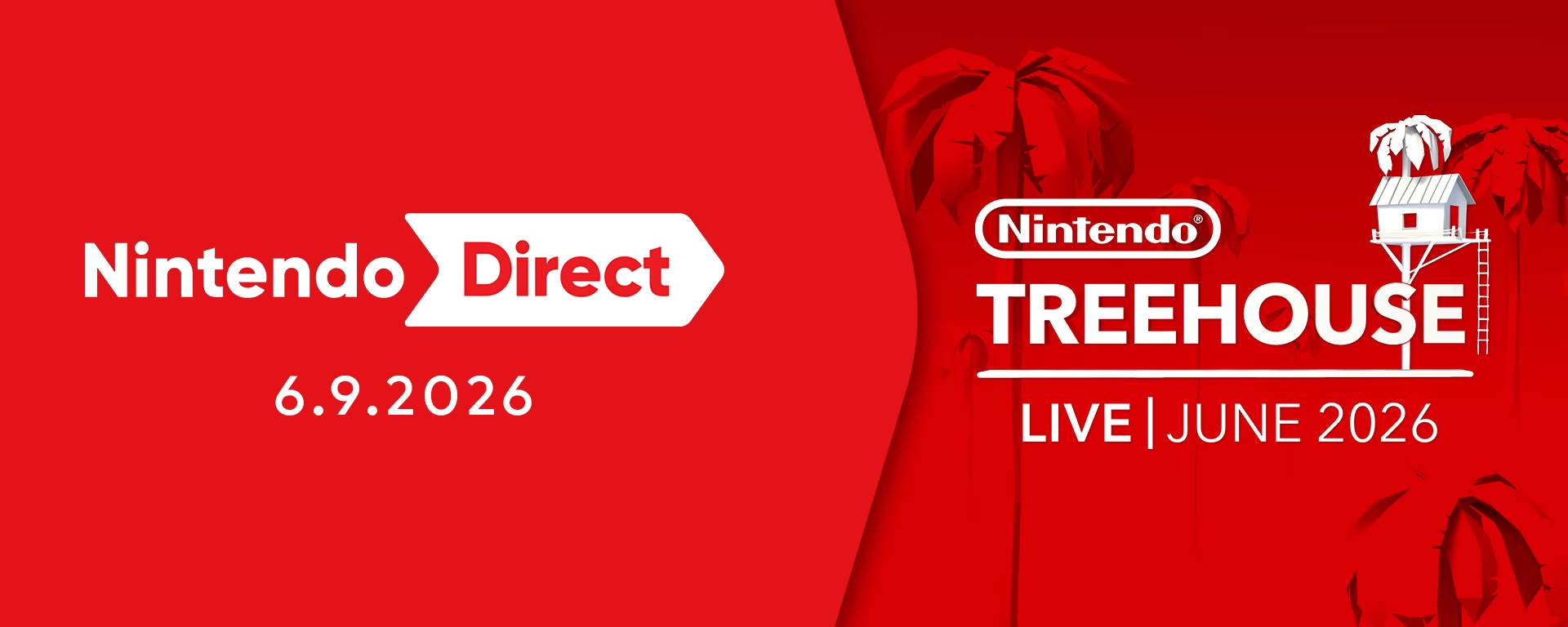
On June 9, 2026, Nintendo’s latest Direct broadcast revealed a software strategy that leans heavily on technical ports, expansions, and historical remakes rather than new intellectual properties. Despite the presentation coinciding with what was once the industry’s premier mid-year reveal window, the absence of brand-new first-party games was notable. The showcase instead prioritized bringing existing AAA titles and classic experiences to the Nintendo Switch 2 (Sw2), leaving the question of original software growth largely unanswered.
Major Titles: Kingdom Hearts IV and the Zelda Remake
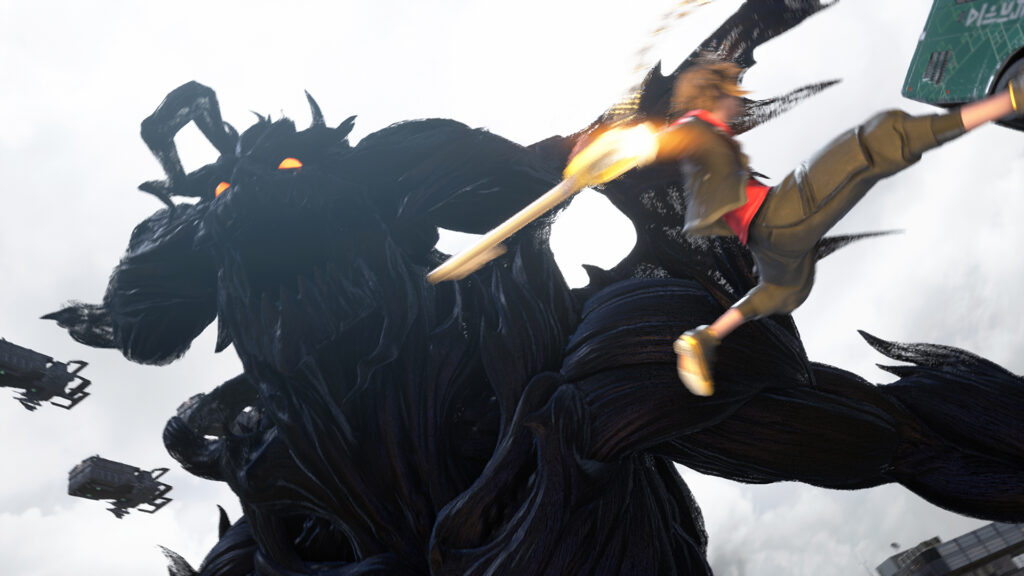
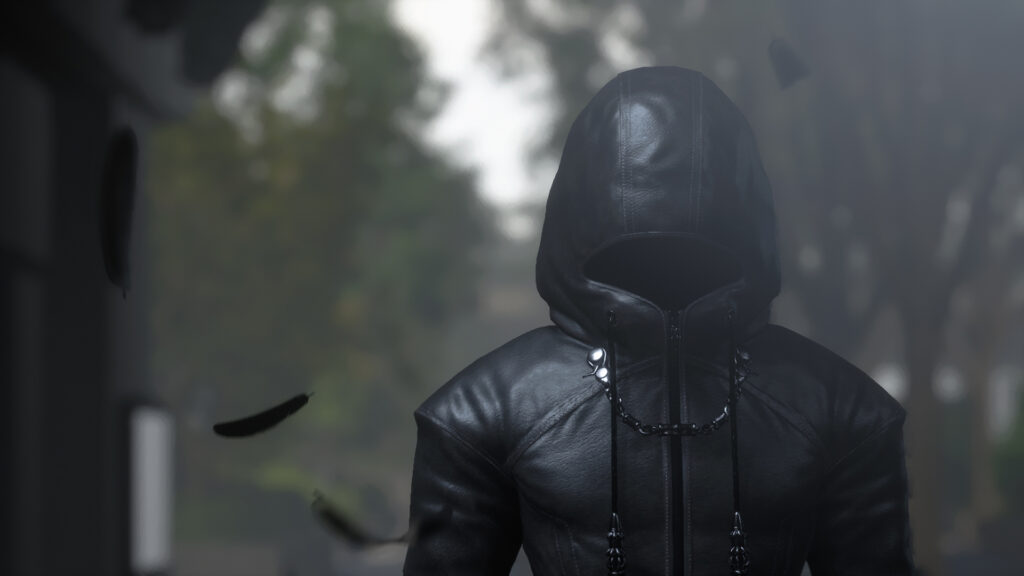
The presentation’s headline announcements focused on established franchises. KINGDOM HEARTS IV was confirmed as a launch-window title for the Switch 2, taking the series to the metropolitan setting of Quadratum. Accompanying this is the KINGDOM HEARTS Collection [I~III], which brings native versions of the franchise to the hardware on October 8. While these native ports allow for cloud save data transfers, it is a glaring omission that Nintendo and Square Enix did not mention an upgrade path or discount for owners of the original, technically inferior cloud versions.
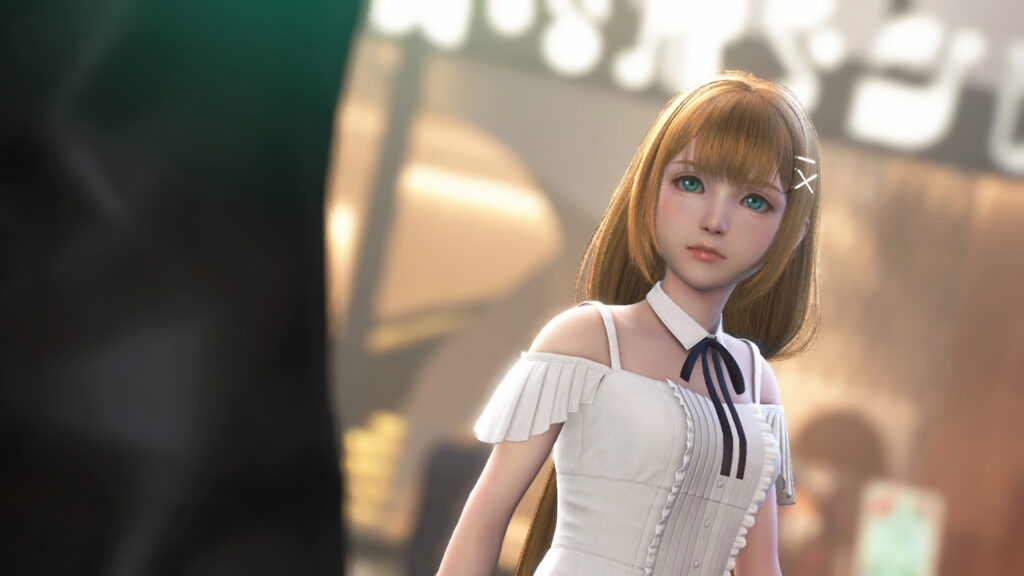

The showcase concluded not with a new series entry, but with the announcement that The Legend of Zelda: Ocarina of Time has been rebuilt from the ground up for the Switch 2. While the 2026 release looks visually polished with its stylized design and orchestrated soundtrack, it was an unexpected choice to center a major Direct on a reimagining of a 1998 title rather than a new adventure for the current system.
A Library Built on Third-Party Ports
A significant portion of the Direct was dedicated to ports of established third-party games, signaling a reliance on previous hits to fill the Switch 2 library. Devil May Cry 5 Devil Hunter Edition is aiming for 60 frames per second (fps) in both handheld and TV modes, while titles like Lies of P: Complete Edition, Warhammer 40,000: Space Marine 2, and Lords of the Fallen II are also slated for native releases.
While these ports theoretically benefit from the Switch 2’s improved hardware, their success is not guaranteed; they must run significantly better than the compromised ports of the previous generation to justify their presence. Similarly, Square Enix’s FINAL FANTASY RESONANCE utilizes the “HD-2D” style, a term that remains technically vague for general audiences even as it becomes a staple of the developer’s visual identity.
Iterative Design and Hardware Gimmicks
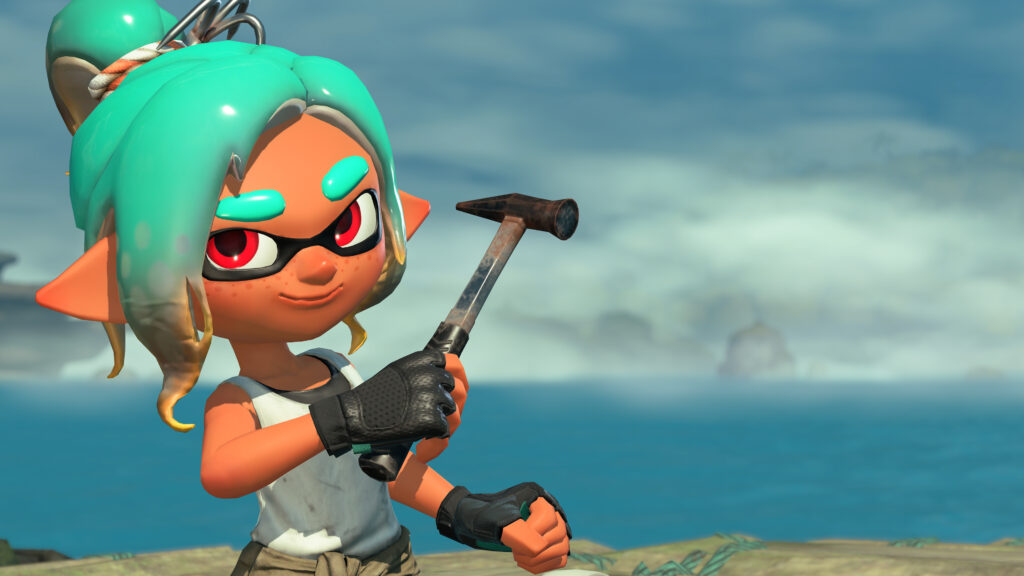
Nintendo’s internal projects for the year appear to be expansions of existing gameplay loops. Splatoon Raiders was introduced as a single-player treasure-hunting spin-off, effectively acting as an expansion of the “Salmon Run” cooperative mode. In the rhythm genre, Rhythm Heaven Groove and Rayman Legends Retold both utilize musical stages to iterate on well-worn concepts. While Pikuniku 2 showed promise once it revealed a more complex 2D/3D mixed concept, many other reveals felt more like iterative updates than full-scale sequels.
The Joy-Con 2 hardware remains a focus, but the implementation showcased in Nintendo Switch Sports Resort was underwhelming. The segment was unexpectedly short for a premiere announcement, and the inclusion of minor activities like “thumb wrestling” felt like a bizarre choice of a “sport” to add. Together with a high volume of DLC and events for current titles like Donkey Kong Bananza, the presentation suggests a conservative period for Nintendo, characterized by a surprising lack of new software for the Switch 2.
This latest presentation highlights a cautious transition for Nintendo as it navigates the early lifecycle of the Switch 2. By relying on a high volume of DLC, events, and technically enhanced ports, the company is filling its release calendar without committing to a significant number of entirely new titles. While the technical promise of the new hardware is evident in the polished visuals of the Ocarina of Time remake, the overall strategy places a heavy burden on the performance of third-party ports and the nostalgia of existing fans. Whether this focus on refinement over innovation can sustain the momentum of the next generation remains to be seen.
If you want more from The Tech News Source, follow the site on Twitter at @technewssoure and me on Twitter at @SamGreenwoodTNS. If you’d like to support The Tech News Source, you can find out how to here. You can also visit my website at samgreenwood.ca to see more of what I do, including my photography and the occasional movie review.